Press Release: 8/11/2026
From Coal Plants to Clean Energy Hubs: A history of the fight for renewables in Massachusetts
By: Eliza Rubel, Massachusetts Clean Energy Intern
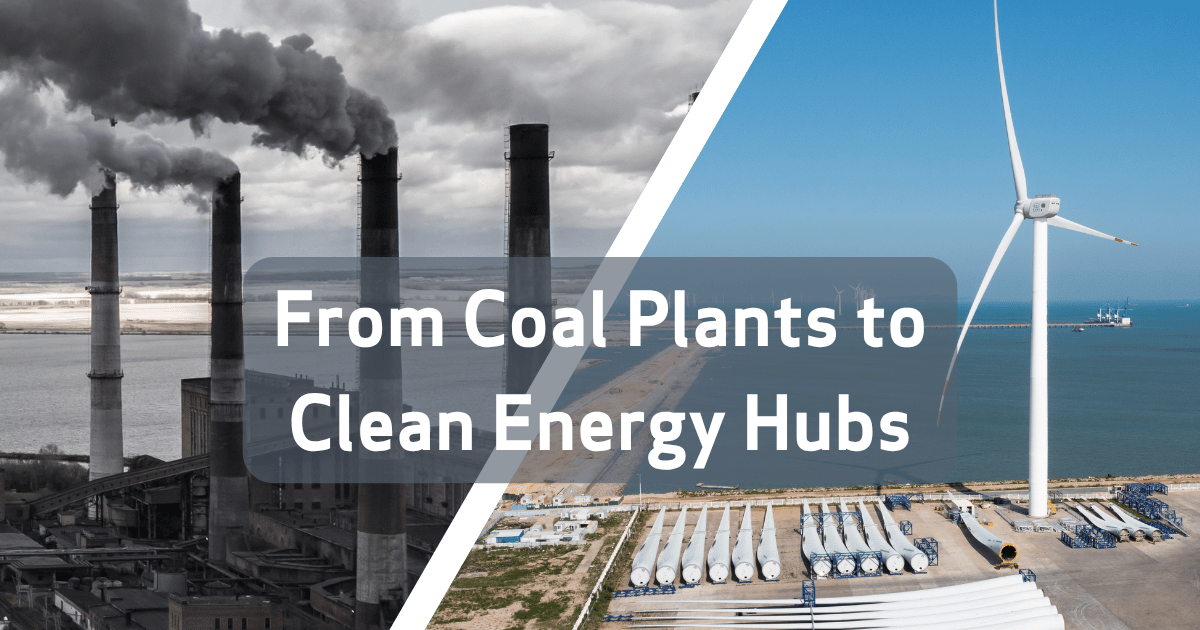
When Massachusetts shuttered the last “Filthy Five” coal- and oil-powered plant in 2017, it opened the door to a flourishing clean energy future. Many of the plants’ former sites—now used for solar arrays, wind energy development, and battery storage — are helping Massachusetts lead the way in clean energy.
How did we get here? We caught up with Sonia Hamel, longtime senior official in Massachusetts State Environmental Offices, and Cindy Luppi, Clean Water Action's Senior Director for State Policy and Program, to learn more about the history of this fight for clean energy and environmental justice in Massachusetts.
Hamel began working with Luppi, Clean Water Action, and a broad grassroots coalition in the 1990s as part of the Filthy Five campaign. Hamel's position in State government and Luppi's work as a grassroots organizer meant that they were strategically positioned to make change: "Environmental groups built external pressure, and I worked inside government," said Hamel. "Together, we moved things forward."
The Filthy Five campaign called for limits on pollution from the five power plants in Massachusetts which had previously escaped modern emissions standards due to a loophole in the Clean Air Act. These plants represented the largest stationary sources of pollution in Massachusetts.
Clean Water Action was part of the coalition that initially demanded controls on the pollutants like mercury, carbon dioxide, and those that form soot, smog, and poor air quality in communities surrounding the power plants. The campaign centered Environmental Justice values. "We built a specific structure that had the voices of the community leaders out front," said Luppi. "Not about us, without us" was a core principle for advocates in the coalition.
As part of this justice-focused push, Luppi and the coalition elevated the stories of affected residents, especially children. "We focused on that really personal connection between people we care about, lung health, and the ability to breathe," Luppi said. One image in particular stuck with her: a picture of five Salem girls' soccer players—who played near the region's second-largest coal plant — standing side-by-side in their uniforms, all holding inhalers.
Hamel emphasized the persuasive strength of human connections like these. "One of the most powerful strategies involved bringing legislators into pediatric hospitals on bad air quality days," she recounted. "They would see children struggling with severe asthma attacks. That changed perspectives."
But Hamel, Luppi and allies like Rob Sargent at MASSPIRG weren't just pushing for reductions in the pollutants that cause smog and soot. "I kept insisting that CO₂ had to be part of the conversation as well,” said Hamel. They coordinated a regional effort to require power plants to limit mercury pollution and planet-warming carbon dioxide emissions. "It was the first time that any state had ever required coal plants or facilities that create energy to reduce carbon dioxide emissions," said Luppi. "It was a first in the nation. "
Luppi and Hamel continually bridged the gap between grassroots organizers and government officials as they pushed for this first-of-its-kind carbon dioxide regulation. "It was a great partnership in many ways," Luppi said. "It felt like we were co-governing."
And it worked. The coalition's grassroots organizing elevated the voices of community leaders and highlighted the effects of pollution in the most vulnerable communities. Close relationships with allies in state government allowed them to energize large-scale change, and in 2001, Massachusetts became the first state to limit carbon and mercury emissions from power plants.
But the fight against the Filthy Five was not over. It was a "true grassroots campaign, and it kept going," said Luppi. Clean Water Action and many allies led another decade of advocacy against the polluting power plants. Their continued efforts paid off: Brayton Point Power Plant in Somerset, the last of the Filthy Five still in operation, shut down for good in 2017.
Today, the former coal plants are the home of our clean energy future. Brayton Point was the largest coal plant in New England. Now the site, rebuilt and rebranded as Brayton Point Commerce Center, will facilitate sustainable energy growth in the region. The plant's preexisting grid connection and prime location mean that it can serve as a hub for the burgeoning offshore wind industry.
Similar transformations have taken place across the state. Salem Harbor Power Station is now an important staging port for the SouthCoast Wind project, and Mount Tom Station in Holyoke hosts a large solar array and battery storage system.
Clean Water Action has fought for clean energy in Massachusetts since the beginning. Thanks to years of advocacy, collaboration, and grassroots organizing, the state's coal-burning plants are a thing of the past, and residents enjoy a cleaner, healthier environment. But our work is far from over. As the federal government props up coal plants and attacks wind energy projects, we are not backing down. Clean Water Action will keep fighting for Massachusetts to lead the way to our clean energy future.