Press Release: 5/19/2026
School Breakfast Supports Student Learning
Olivia Deng
“All the schools should have a breakfast cart, because if a child is running late and doesn't have enough time to have breakfast, the breakfast cart can help them have breakfast. Also, if a child didn't have enough breakfast at home, then they can have breakfast at the school,” said Nora, a student at Hosmer Elementary School in Watertown.
On a frosty February morning, the cafeteria buzzed as school nutrition staff prepared delicious meals for students arriving at the start of the day. Breakfast is not a special treat—it is foundational to student success.
As soon as the bell rang at 8 am, students lined up to get their French toast sticks, cereal, and fruit to fuel their days. “There is usually a line at the breakfast cart where kids get to meet their friends for the first time in the morning,” said Hosmer Elementary Adjustment Counselor Colin Gardiner.
According to Brandon Rabbitt, Director of School Nutrition for Watertown Public Schools, ”almost half of the students in this building eat breakfast every single school day, utilizing our breakfast cart.”
At schools like Hosmer Elementary, the commitment to feeding kids at the start of the day takes shape in simple but effective ways. Breakfast carts, stationed in hallways, allow students to quickly grab a meal as they arrive and bring it with them to class. Breakfast After the Bell (BATB) is especially important for students who often miss breakfast before the bell due to transportation challenges, parents’ work schedules, or the stigma of arriving early for a school meal. BATB increases breakfast access by integrating it into the school’s schedule, culture, and campus environment.
By allowing students to eat in the classroom, schools integrate breakfast into the school day's rhythm rather than treating it as a separate activity.
“ There is a sense of community and that we are feeding each other. And it extends beyond food too,” said Hosmer Elementary Principal Erin Moulton. “I think when we think about community as a broader term, having yourself be fed and having your basic needs met allows you to fully participate in your classroom community, in the school community, and out in our community as a whole.”
Read why eating school meals is a no-brainer
Removing Barriers to Access
Despite its importance, breakfast has historically been underutilized compared to school lunch. One of the biggest challenges is timing: students may arrive late, feel rushed, or avoid the cafeteria altogether.
Schools are increasingly addressing these barriers through flexible BATB models like Grab-and- Go.
At Hosmer Elementary, breakfast carts make access immediate and visible. Students can pick up food within seconds and head straight to class, where they eat alongside their peers. This approach not only increases participation but also normalizes breakfast as part of the school day.
“Before COVID, we were serving breakfast to single digits of kids every day because it was before school, so you had to get here early…But now that we're serving breakfast during the day, we're serving over 50% or more of our kids' breakfast every day. And when you think about it, that means that those kids are really more ready to learn,” Moulton said.
In New Bedford Public Schools, similar strategies are adapted to each school community.
“You can’t just follow one breakfast model, you have to figure out what works for your school,” said Catherine Henriques, Acting Director of Food & Nutrition Services at New Bedford Public Schools. “I have some schools that do breakfast carts, others that do Grab-and-Go.”
These models reduce administrative responsibilities for teachers, allowing them to focus on instruction instead of managing meal logistics.
We Feed Them So You Can Teach Them
At the core of these efforts is a clear philosophy. “We feed them so you can teach them,” Henriques said.
That principle reflects the essential role school nutrition plays in education. A hungry student cannot fully engage in learning. By ensuring consistent access to meals, schools are directly supporting academic success.
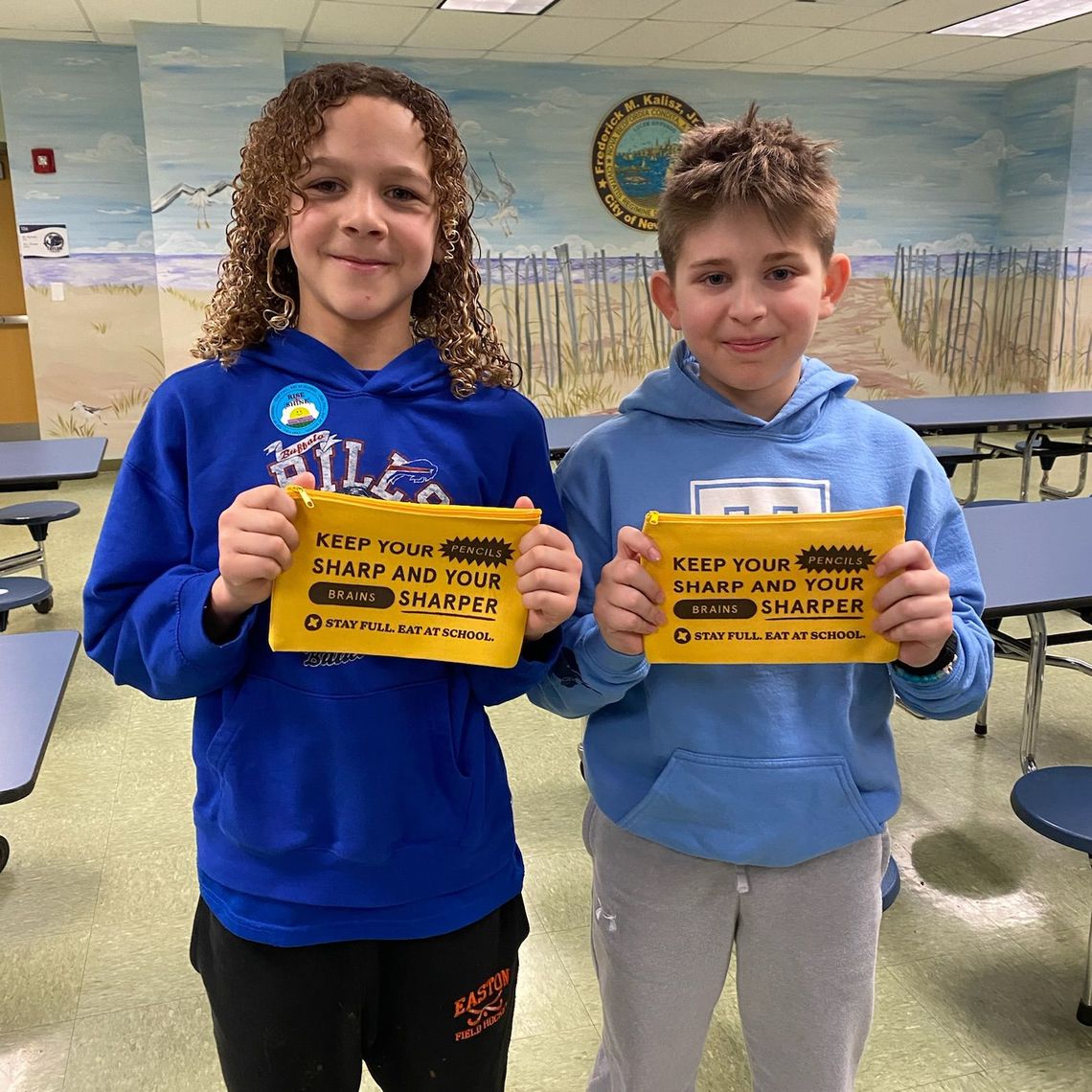
In New Bedford, this work is deeply rooted in the community. At Taylor Elementary School, about 45 students arrive by bus each morning, and Principal Rafaela Spence knows them all by name. That level of connection shapes how breakfast programs are designed and delivered, focused not just on efficiency, but on care.
Staff members like Linda Viera, a longtime cafeteria worker preparing to retire, have spent years building relationships with students. These connections help create a welcoming environment where students feel comfortable eating and starting their day.
Meeting Students Where They Are At
A successful breakfast program requires understanding what students want and need.
That includes offering foods that are both appealing and meaningful.
At the same time, schools are introducing culturally relevant options that reflect their communities. In New Bedford, a Portuguese egg scramble serves as both a familiar comfort food for some students and an opportunity for others to try something new.
Familiar foods encourage participation, while new offerings help expand students’ tastes. In a school setting, peer influence plays a powerful role—students are more likely to try unfamiliar foods when their classmates are doing the same.
Nutrition staff closely observe what works and what doesn’t, adjusting menus accordingly. They also ensure meals accommodate dietary restrictions and cultural preferences, reinforcing that school breakfast is for everyone.
Project Bread’s Impact
Efforts like those at Taylor Elementary and Hosmer Elementary are part of a broader movement we support at Project Bread.
We partner with schools across Massachusetts to expand access to breakfast and increase participation in the National School Breakfast Program. Our work includes collaborating hand-in-hand with school nutrition staff to develop creative recipes that appeal to students and strategies to increase school meal consumption.
One of the most significant outcomes of this work has been making universal free school meals for every child in Massachusetts permanent. By removing cost as a barrier, schools can focus on participation and quality rather than eligibility.
“Having universal school breakfast and lunch just means that all of us have the assurance that there's one thing that's already taken care of for every child,” Moulton said. “There's no stigma in having to ask to have that basic need met. The child doesn't have to ask, the parents don't have to ask. It's just taken care of.”
Our approach centers on collaboration with school nutrition staff. We recognize their expertise and the challenges of running meal programs, and we work alongside them to strengthen and adapt breakfast offerings. From improving food presentation to introducing new service models, we help schools create programs that students actually participate in.
Thanks for Giving Students A Better Start to the Day
The impact of school breakfast is both immediate and lasting.
Students who eat breakfast are more focused, more engaged, and better equipped to navigate the challenges of the school day. Classrooms run more smoothly, and educators can dedicate more time to teaching.
“It impacts [educators] in a very positive way…being able to feel comfortable and feel confident knowing that their children are gonna be able to have a nice meal during the day,” Gardiner said.
At the same time, breakfast programs foster a sense of community. Whether through a Grab-and-Go cart in the hallway or dining in a bustling cafeteria, these moments create opportunities for connection at the start of the day.
As schools continue to innovate and expand access, one thing remains clear: breakfast is a critical investment in students’ success.
We cannot feed kids without your support.