Press Release: 12/16/2025
Entering 2026 with Purpose: The Attorney’s Oath, Legal Ethics, and the Future of Our Profession
If you have any questions or would like to be in touch with the BBA press office, please contact:
Ron Simms, Jr.
Director of Communications
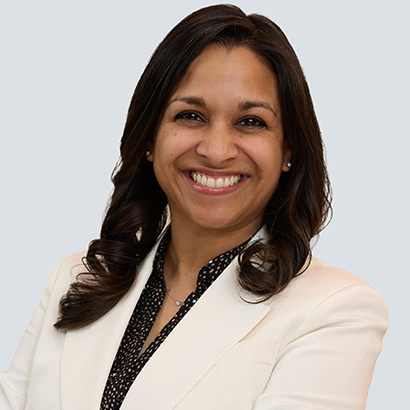 As we reach the end of this tumultuous year, I find myself returning to the words spoken by every new attorney in the Commonwealth. Words I heard echoed recently as hundreds of our newest lawyers took their oath.
“I solemnly swear that I will do no falsehood, nor consent to the doing of any in court; I will not wittingly or willingly promote or sue any false, groundless or unlawful suit, nor give aid or consent to the same; I will delay no man for lucre or malice; but I will conduct myself in the office of an attorney within the courts according to the best of my knowledge and discretion, and with all good fidelity as well to the courts as my clients. So help me God.” — Attorney’s Oath, Commonwealth of Massachusetts (MGL c.221 §38)
This is not simply ceremony. It is a promise that carries profound weight at a time when honor, courage, and principled analysis appear to be in retreat in our democratic and legal institutions.
To be sure, we have seen the damage that follows when that oath is forsaken.
We are hearing from Massachusetts judges that incivility in the courtroom is on the rise, not just from parties, but from lawyers. That personal threats against judges and their families are increasing and becoming more violent. In yet another alarming and growing trend, courts are finding that lawyers have presented misstatements of law and fact to grand juries and judges, including by citing cases that do not exist. Conduct like this strikes at the core of our professional responsibilities and our position as officers of the court. In Massachusetts courts, judges have articulated the stakes with unmistakable clarity. Retired District Court Judge Mark Wolf’s findings in the Calderon Jimenez v. Cronen/Neilsen case detailed not only governmental misconduct, but the human cost borne by individuals and families when lawyers disregard law, due process, and truth.
Within the profession, pressures on our independence have grown more intense. Reports of firms agreeing to restrict pro bono work or avoid clients disfavored by the current administration prompted warnings from the D.C. Bar, an extraordinary response citing concerns of conflicts of interest, improper restrictions on lawyers’ right to practice, and interference with lawyers’ professional independence. And the retreat by some in our profession from legal and appropriate DEIB commitments risks weakening the excellence of the profession itself and diminishing public trust in the fairness of our legal system.
In addition, we have witnessed how easily prosecutorial power can be weaponized to pursue personal grievances. And we have watched US Attorneys be disqualified because their appointments failed to meet even the most basic statutory requirements. These examples are deeply disappointing instances of the failure of lawyers to meet their professional responsibility standards and to bring their training and independent legal analysis to bear before presenting a matter to the court. But they are also examples of the failure of each co-equal branch of government to fulfill and execute its fundamental Constitutional obligations.
Can we not do better?
In my remarks to new lawyers last month, I urged them to consider not only what kind of law they will practice, but what kind of lawyer they will choose to be. That message applies to all of us.
The oath we swore demands independent judgment, unwavering integrity, and the courage to push back when our ethical obligations fundamentally conflict with positions our clients want us to take. It demands that we resist political, financial, and institutional pressure that seeks to compromise our role as officers of the court. And it demands that we use our training in service not only for our clients, but for the broader community and for the constitutional framework that makes our work possible.
As we look to 2026, the path forward is clear. I have found inspiration in so many of our fellow lawyers honoring our oath and modeling the best of our profession. Across Massachusetts, and across the country, lawyers have stepped up to safeguard voting access, fight blatant disinformation, protect due process for citizens and non-citizens alike, and push back against governmental abuse of power. Every day, I see lawyers working with and for communities experiencing the consequences of reactionary policies that threaten individual rights and liberties, the stability and predictability of our legal system, and even our shared human dignity.
Despite all of this good work, however, the outcome is far from certain. U.S. District Court Judge William Young asked at the end of his order in the AAUP v. Rubio case whether we as a nation will “stand up, fight for, and defend our most precious constitutional values” even if we believe our personal rights are not affected. I cannot speak for the country at large, but as for the Boston Bar Association, I have no doubt whatsoever that we will.
This is what our oath requires. This is what the moment asks of us. As we enter a new year, I am inspired by the strength, purpose, and principled action I see across the Boston Bar Association. You have demonstrated that the law still has guardians: lawyers who understand that democracy does not sustain itself, and that justice is not self-executing.
Thank you for your work, your service, and your integrity. Let us move into the coming year united in purpose and unwavering in our commitment to the oaths we swore and the values that sustain us.